Trump returns Cuba to U.S. list of state sponsors of terrorism

By Matt Spetalnick

WASHINGTON (Reuters) – The Trump administration on Monday announced it was returning Cuba to the U.S. list of state sponsors of terrorism.

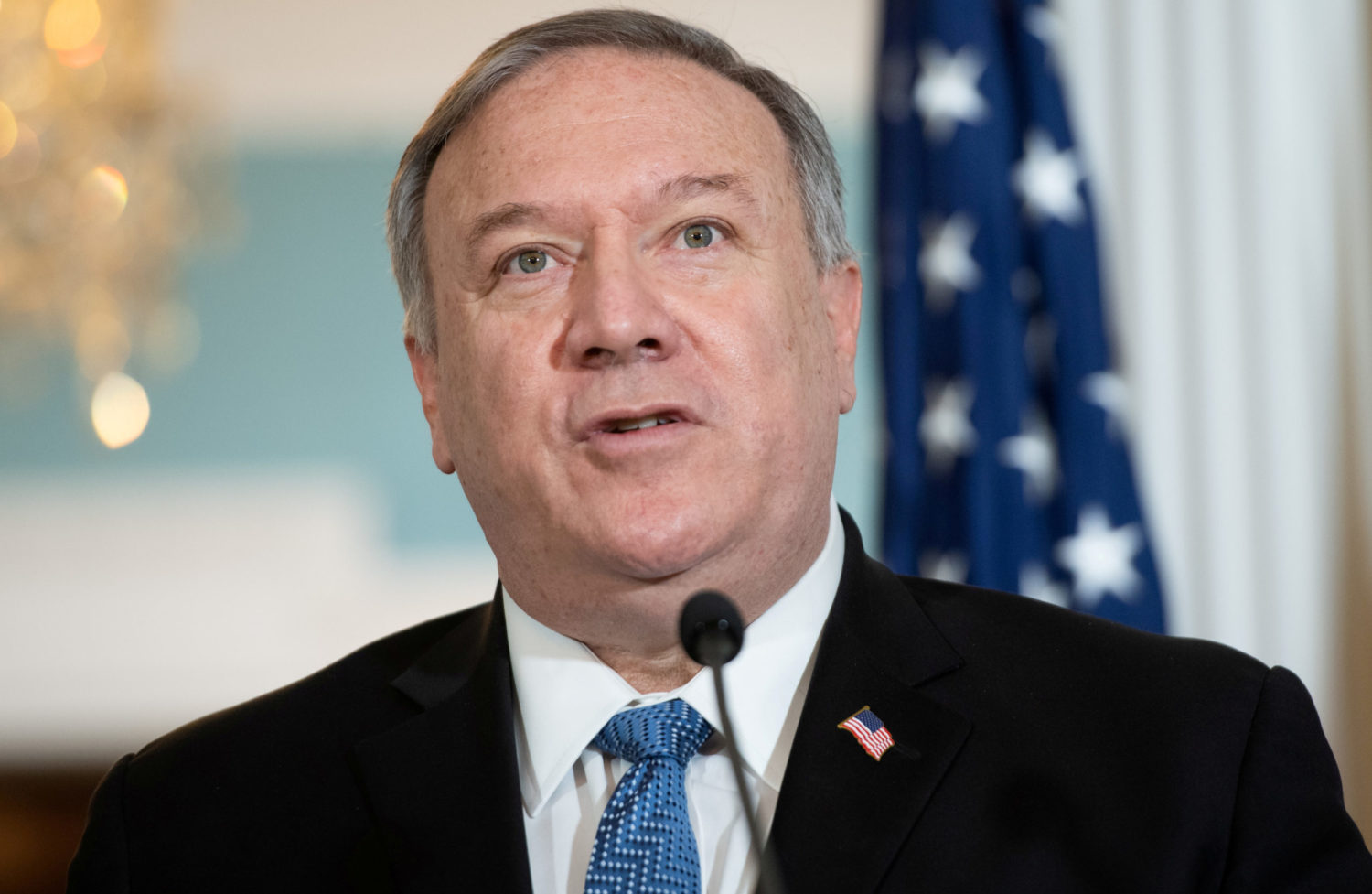
Secretary of State Mike Pompeo said Cuba was being blacklisted for “repeatedly providing support for acts of international terrorism” by harboring U.S. fugitives as well as Colombian rebel leaders.

Pompeo also cited Communist-ruled Cuba’s security support for Venezuelan President Nicolas Maduro, which he said had allowed the socialist leader to create “a permissive environment for international terrorists to live and thrive within Venezuela.”

“With this action, we will once again hold Cuba’s government accountable and send a clear message: the Castro regime must end its support for international terrorism and subversion of U.S. justice,” Pompeo said in a statement.

The terrorism list decision followed months of legal review, with some administration experts questioning whether it was justified, a person familiar with the matter told Reuters, speaking on condition of anonymity.

Trump has clamped down on Cuba since coming to power in 2017, tightening restrictions on U.S. travel and remittances to Cuba, and imposing sanctions on shipments of Venezuelan oil to the island.

Trump’s hardline Cuba policy was popular among the large Cuban-American population in South Florida.

Syria, Iran and North Korea are other countries on the list.

(Reporting by Matt Spetalnick, additional reporting by Daphne Psaledakis in Washinton and Sarah Marsh in Havana; editing by Jonathan Oatis and Grant McCool)

Schools shut, supplies affected as Madrid clears record snow

By Cristina Sanchez and Belén Carreño

MADRID (Reuters) – Schools in Madrid were shut and some supermarkets ran out of fresh produce or were shuttered on Monday but most trains and flights had resumed operations after a huge snow storm hit the Spanish capital and several other regions over the weekend.

While many people enjoyed the rare snowfall, skiing in the very center of Madrid and holding mass snowball fights, a further cold spell was set to turn the snow into ice this week and authorities rushed to clear more streets, though they said the efforts could take one or two weeks.

Residents of Madrid, which has seen its heaviest snowfall in at least 50 years, helped police open paths through deep banks of snow using plywood boards or trays, and poured salt on the underlying ice. With rooftops enveloped in snow, authorities cordoned off some pavements due to the risk of accidents.

The storm, which dumped up to 20 inches on Madrid, has hampered Spain’s efforts to increase the pace of its coronavirus vaccination program amid rising infections.

A new batch of vaccines meant to land in Madrid was diverted on Monday to Vitoria in the north, but city authorities said vaccinations in care homes and hospitals continued as planned.

Renfe train operator said all fast train lines were operating except for Madrid-Barcelona connections, which are likely to resume early in the afternoon. Most Madrid suburban lines were working on Monday, but with fewer trains than usual.

“COMPLICATED SITUATION”

Two runways at the Barajas international airport re-opened. The airport operator said that of around 400 flights scheduled to fly in and out on Monday, 117 had been cancelled.

A Reuters reporter saw a number of empty shelves at several central Madrid supermarkets.

The Spanish supermarket association urged customers to behave responsibly in the wake of a “complicated situation” in many storm-affected areas. But it said supplies had resumed in the early hours on Monday and were gradually increasing.

After staying closed in the morning, Mercamadrid, the city’s main wholesale food market, said convoys of trucks which had been stranded in the snow since Friday had started arriving and that it was preparing to resume activity from Monday night.

About 85% of Madrid’s bars and restaurants are still closed, with a return to normal expected on Thursday, the Hosteleria de España association said, estimating lost revenues over the period at 70 million euros ($85 million)

Interior Minister Fernando Grande-Marlaska said the situation on the roads was improving but was still “extraordinary” and many remained closed.

The cold wave, with temperatures as low as -10 degrees Celsius in central Spain, will last until Thursday, the Aemet meteorological agency said.

($1 = 0.8223 euros)

(Reporting by Guillermo Martinez, Elena Rodriguez, Ingrid Melander, Cristina Sanchez, Belen Carreno, Inti Landauro, Clara-Laeila Laudette, Emma Pinedo, Andrei Khalip; Writing by Ingrid Melander and Andrei Khalip; Editing by Raissa Kasolowsky and Gareth Jones)

Democrats in Congress to begin drive to force Trump from office after Capitol violence

By Andy Sullivan and Patricia Zengerle

WASHINGTON (Reuters) – Congressional Democrats begin their drive to force President Donald Trump from office this week, with a House vote on articles of impeachment expected as early as Wednesday that could make him the only president in U.S. history to be impeached twice.

“It is important that we act, and it is important that we act in a very serious and deliberative manner,” Representative Jim McGovern, chairman of the Rules Committee, told CNN on Monday. “We expect this up on the floor on Wednesday. And I expect that it will pass.”

Thousands of Trump supporters stormed the Capitol last week, scattering lawmakers who were certifying Democratic President-elect Joe Biden’s election victory, in a harrowing assault on the center of American democracy that left five dead.

The violence came after Trump urged supporters to march on the Capitol at a rally where he repeated that his election defeat was illegitimate. House of Representatives Speaker Nancy Pelosi, many of her fellow Democrats and a handful of Republicans say Trump should not be trusted to serve out his term.

“In protecting our Constitution and our Democracy, we will act with urgency, because this President represents an imminent threat to both,” Pelosi wrote to fellow House Democrats on Sunday.

Dozens of people who attacked police officers, stole computers and smashed windows at the Capitol have been arrested for their role in the violence, and officials have opened 25 domestic terrorism investigations.

Trump acknowledged that a new administration would take office on Jan. 20 in a video statement after the attack but has not appeared in public. Twitter and Facebook have suspended his accounts, citing the risk of him inciting violence.

When the House convenes at 11 a.m. (1600 GMT) on Monday, lawmakers will bring up a resolution asking Vice President Mike Pence to invoke the never-used 25th Amendment of the U.S. Constitution, which allows the vice president and the Cabinet to remove a president deemed unfit to do the job. A recorded vote is expected on Tuesday.

McGovern said he expected Republican lawmakers to object to the request to invoke the Constitution’s 25th Amendment to remove Trump. In that case, he said, his committee will provide a rule to bring that legislation to the House for a vote and, 24 hours later, the committee will then bring another resolution to deal with impeachment.

“What this president did is unconscionable, and he needs to be held to account,” McGovern said.

Pence was in the Capitol along with his family when Trump’s supporters attacked, and he and Trump are currently not on speaking terms. But Republicans have shown little interest in invoking the 25th Amendment. Pence’s office did not respond to questions about the issue. A source said last week he was opposed to the idea.

POSSIBLE INSURRECTION CHARGE

If Pence does not act, Pelosi said the House could vote to impeach Trump on a single charge of insurrection. Aides to House Republican leader Kevin McCarthy, who voted against recognizing Biden’s victory, did not respond to a request for comment.

House Democrats impeached Trump in December 2019 for pressuring Ukraine to investigate Biden, but the Republican-controlled Senate voted not to convict him.

Democrats’ latest effort to force Trump out also faces long odds of success without bipartisan support. Only four Republican lawmakers have so far said publicly that Trump should not serve out the remaining nine days in his term.

The lawmakers who drafted the impeachment charge say they have locked in the support of at least 200 of the chamber’s 222 Democrats, indicating strong odds of passage. Biden has so far not weighed in on impeachment, saying it is a matter for Congress.

Even if the House impeaches Trump for a second time, the Senate would not take up the charges until Jan. 19 at the earliest.

An impeachment trial would tie up the Senate during Biden’s first weeks in office, preventing the new president from installing Cabinet secretaries and acting on priorities like coronavirus relief.

Representative Jim Clyburn, the No. 3 House Democrat, suggested his chamber could avoid that problem by waiting several months to send the impeachment charge over to the Senate.

A conviction could lead to Trump being barred from running for president again in 2024.

(Reporting by Andy Sullivan and Patricia Zengerle; Additional reporting by Doina Chiacu, Susan Cornwell, Steve Holland and Andrea Shalal; Editing by Scott Malone, Peter Cooney and Chizu Nomiyama)

Netanyahu orders more settler homes built

By Jeffrey Heller

JERUSALEM (Reuters) – Israeli Prime Minister Benjamin Netanyahu ordered construction plans advanced on Monday for some 800 Jewish settler homes in the occupied West Bank, anchoring the projects in the final days of the pro-settlement Trump administration.

Palestinians condemned such construction as illegal. The timing of the move appeared to be an attempt to set Israel’s blueprint in indelible ink.

Moving ahead with the projects could help shore up support for Netanyahu from settlers and their backers in a March 23 election, Israel’s fourth in two years, in which the conservative leader faces new challenges from the right.

An announcement by Netanyahu’s office said about 800 homes would be built in the settlements of Beit El and Givat Zeev, north of Jerusalem, and in Tal Menashe, Rehelim, Shavei Shomron, Barkan and Karnei Shomron in the northern West Bank. It gave no starting date for construction.

The Trump administration has effectively backed Israel’s right to build West Bank settlements by abandoning a long-held U.S. position that they break international law. Trump has also delighted Israeli leaders and angered Palestinians by recognizing contested Jerusalem as Israel’s capital and moving the U.S. Embassy there.

Gayil Talshir, a political scientist at Jerusalem’s Hebrew University, said Netanyahu wants the settlement move “to be set in stone before the Biden administration comes into office, and maybe changes Israeli-American tacit understandings on settlements that existed under Trump.”

Netanyahu also wants to tell voters he is “the only leader who can stand up to Biden and make sure he doesn’t dictate our policy in the (Palestinian) territories,” Talshir said.

Palestinians seek to establish a state in the West Bank and Gaza Strip, with East Jerusalem as its capital, all land captured by Israel in a 1967 war.

Most countries view Israeli settlements as violating international law. Israel disputes this, citing historical, political and biblical links to the West Bank, where more than 440,000 Israeli settlers now live among 3 million Palestinians who have limited self rule under Israeli occupation.

As vice president under Barack Obama, Biden was put in an uncomfortable position during a visit to Israel in 2010 when Israel announced plans for a settlement in a West Bank area annexed to Jerusalem. Arriving 90 minutes late for dinner with Netanyahu, Biden condemned the decision as undermining U.S.-Israeli trust.

(Additional reporting by Rami Ayyub, Ali Sawafta and Nidal al-Mughrabi; Editing by Peter Graff)

Global coronavirus cases surpass 90 million in battle on new variant

By Roshan Abraham and Anurag Maan

(Reuters) – Worldwide coronavirus cases surpassed 90 million on Monday, according to Reuters tally, as nations around the globe scramble to procure vaccines and continue to extend or reinstate lockdowns to fight new coronavirus variants.

The new COVID-19 variants discovered initially in the United Kingdom and South Africa are rapidly spreading globally.

The novel coronavirus has picked up pace in the past few months with about one-third of total cases registered in the last 48 days, according to a Reuters tally.

Europe, which became the first region to report 25 million cases last week, remains the worst-affected area in the world, followed by North and Latin Americas with 22.4 million and 16.3 million cases respectively.

Europe has reported around 31% of about 1.93 million coronavirus-related deaths globally.

The United Kingdom, the worst-affected European country, crossed 3 million cases last Friday.

The nation is on course to have immunized its most vulnerable people against COVID-19 by mid-February and plans to offer a shot to every adult by autumn.

To control the spread of new coronavirus variant, countries across the globe have started to extend movement and business restrictions.

In Germany, Chancellor Angela Merkel and state premiers last week agreed to restrict non-essential travel for residents of hard-hit areas all over Germany for the first time, after a lockdown decreed in December failed to significantly reduce infection numbers.

French authorities imposed a stricter evening curfew in Marseille after authorities said the new variant of the COVID-19 virus initially found in the UK had been discovered in the Mediterranean city.

The United States, world’s worst affected country, reported its highest death toll on Wednesday, with over 4,000 fatalities in a single day.

The nation has recorded more than 22 million cases since the pandemic started, reporting on average 245,000 new infections a day over the last seven days, according to a Reuters analysis.

In Asia, India crossed 150,000 deaths last Tuesday, becoming the third nation to reach the grim milestone.

The south Asian nation has approved two COVID-19 vaccines and will start its vaccination drive from Jan. 16 with priority given to about 30 million healthcare and frontline workers.

(Reporting by Roshan Abraham and Anurag Maan in Bengaluru; Editing by Lisa Shumaker and Michael Perry)

Indonesia names first plane crash victim, steps up ‘black box’ hunt

By Agustinus Beo Da Costa and Yuddy Cahya Budiman

JAKARTA (Reuters) – Indonesia identified a victim from the Sriwijaya Air crash on Monday as emergency crews prepared to send in a remotely operated underwater vehicle to search for the jet’s cockpit recorders in the sea.

The Boeing 737-500 plane with 62 people on board plunged into the Java Sea two days ago, minutes after taking off from Jakarta’s main airport.

Divers scoured the sea bed on Monday, retrieving human remains, personal possessions and pieces of plane wreckage until fading light ended the search, emergency officials said.

Okky Bisma, a flight attendant on the plane, was identified by his fingerprints, a police official told reporters

“The quicker we can find victims, the better,” search and rescue operation director Rasman MS said.

The Boeing 737-500 jet was headed on a domestic flight to Pontianak on Borneo island, about 460 miles from Jakarta, on Saturday before it disappeared from radar screens.

It was the second major air crash in Indonesia since 189 passengers and crew were killed in 2018 when a Lion Air Boeing 737 MAX also plunged into the Java Sea soon after taking off. The jet that crashed on Saturday is a largely different design.

The search team had narrowed down the suspected location of the “black box” flight recorders and the remote-controlled vehicle would help scan the sea bed, navy chief of staff Yudo Margono said.

“There is so much debris down there and we have only lifted a few pieces. Hopefully, as we take out more they (the recorders) can be found,” Yudo told reporters aboard a ship.

Nurcahyo Utomo, an investigator at Indonesia’s National Transportation Safety Committee (KNKT), said the jet may have been intact before it hit the water, given the debris appeared to have scattered in a relatively tight area underwater.

PROBE TO RELY ON DATA RECORDERS

Once the flight data and cockpit voice recorders are found, the KNKT expects to be able to read the information in three days, Nurcahyo said.

The U.S. National Transportation Safety Board will automatically be involved in the investigation, with technical support from Boeing as needed.

Tracking service Flightradar24 said the aircraft took off at 2:36 p.m. local time (0736 GMT) and climbed to 10,900 feet within four minutes. It then began a steep descent and stopped transmitting data 21 seconds later.

The Sriwijaya Air plane was nearly 27 years old, much older than Boeing’s problem-plagued 737 MAX model. Older 737 models are widely flown and do not have the stall-prevention system implicated in the MAX safety crisis.

With few immediate clues on what caused a catastrophic loss of control after take-off, investigators will rely heavily on retrieving the two flight recorders intact from the seabed.

They will also study maintenance and engine records, pilot rosters and training, air traffic recordings and other data.

Newer jets and their engines emit streams of data to help airlines plan maintenance. But neither the 737-500 nor its engines leave such a digital trace, industry experts say.

The crash comes at a sensitive time and place for Boeing after poor software contributed to crashes of the newer 737 MAX in Indonesia and Ethiopia. But the long service history of the model involved in Saturday’s crash, and its lack of similar software, mean design is seen less likely to be a primary focus.

(Additional reporting by Tim Hepher, Jamie Freed and Tabita Diela; Writing by Gayatri Suroyo; Editing by Ed Davies, Michael Perry, Raju Gopalakrishnan and Andrew Heavens)

U.S. economy suffers job losses as COVID-19 ravages restaurants, bars

By Lucia Mutikani

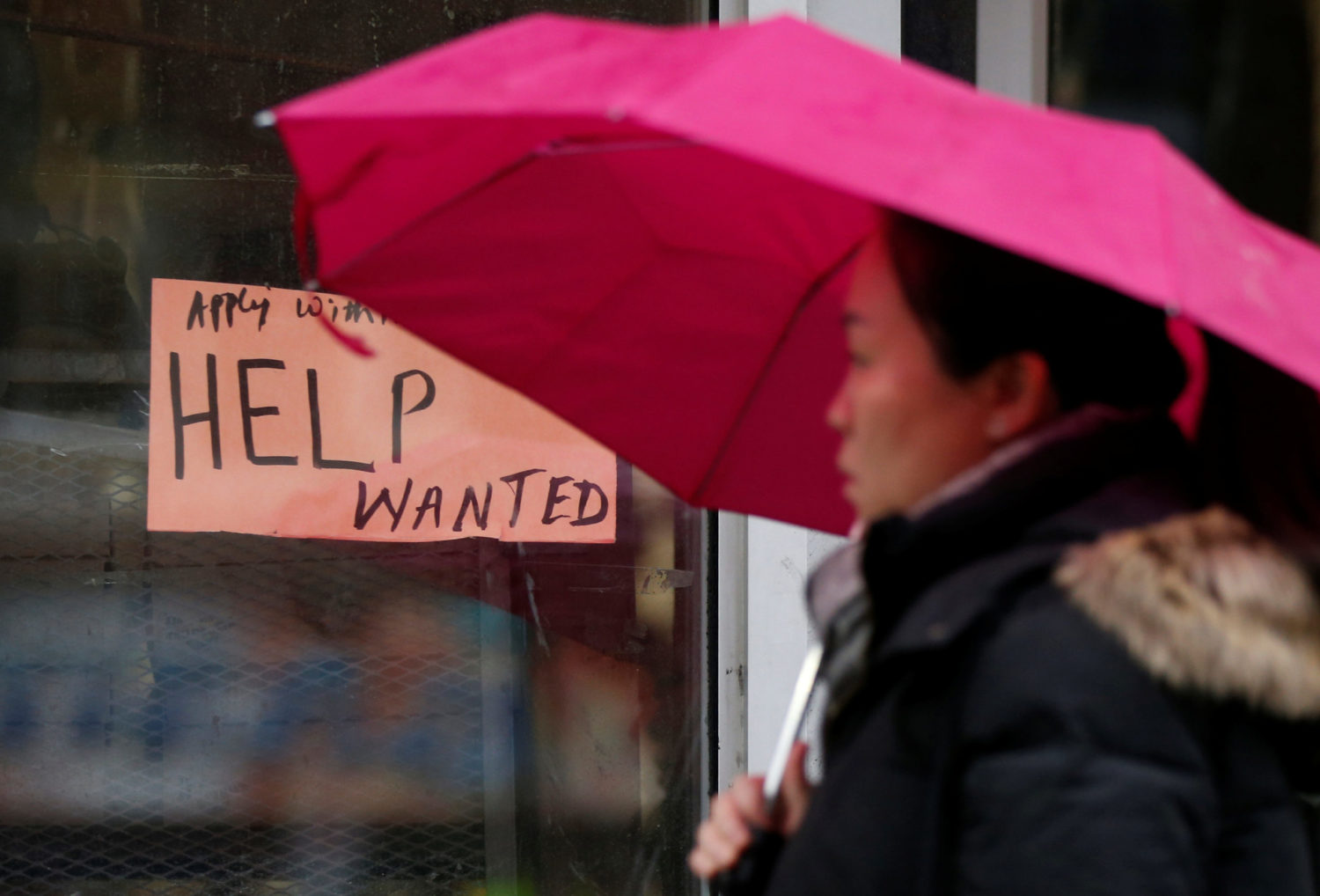
WASHINGTON (Reuters) – The U.S. economy shed jobs for the first time in eight months in December as the country buckled under an onslaught of COVID-19 infections, suggesting a significant loss of momentum that could temporarily disrupt the recovery from the pandemic.

The plunge in nonfarm payrolls reported by the Labor Department on Friday was concentrated in the coronavirus-sensitive leisure and hospitality sector, which lost nearly half a million jobs. But with other industries including retail, manufacturing and construction performing better, the economy is unlikely to tip back into recession.

Nearly $900 billion in additional pandemic relief approved by the government in late December will probably provide a backstop. More fiscal stimulus is expected now that Democrats have gained effective control of the U.S. Senate, boosting the prospects for President-elect Joe Biden’s legislative agenda. There is also optimism the rollout of coronavirus vaccines will be better coordinated under the incoming Biden administration.

Congress on Thursday formally certified Biden’s victory in the Nov. 3 election, hours after hundreds of President Donald Trump’s supporters stormed the U.S. Capitol. The employment report is one of the final scorecards delivered during the Trump presidency and stands as a reminder of the tumultuous economic crisis that marked his last months in office.

“This is a pause in the recovery, not a full-on stall,” said Chris Low, chief economist at FHN Financial in New York.

Payrolls decreased by 140,000 jobs last month, the first decline since April, after increasing by 336,000 in November. The economy has recovered 12.4 million of the 22.2 million jobs lost during the pandemic. Economists polled by Reuters had forecast 77,000 jobs would be added in December.

COVID-19 cases in the United States have jumped to more than 21 million, with the death toll exceeding 357,000, according to a Reuters analysis.

The leisure and hospitality sector lost 498,000 jobs last month, with employment at bars and restaurants tumbling 372,000, accounting for three quarters of the drop. Restaurants and bars in many states, including New York and California, were shut during the holidays to slow the spread of the virus. Excluding the leisure and hospitality sector, payrolls rose at roughly the same pace as in November.

There were also decreases in private education jobs as many universities and colleges closed after the Thanksgiving holiday. Government employment declined for a fourth straight month, with losses spread across federal state and local governments.

But retail employment rose by 121,000 jobs. Factories hired 38,000 workers and construction payrolls increased by 51,000 jobs. There were also gains in employment in professional and business services, transportation and warehousing, health care and wholesale trade industries.

Weak payrolls joined soft consumer confidence and spending in underscoring the brutal impact of the coronavirus on the economy, which sank into recession in February. The data increases the likelihood of another rescue package by March.

Stocks on Wall Street were trading mostly higher on hopes of more government money. The dollar rose against a basket of currencies. U.S. Treasury prices were trading mostly lower.

SOME SILVER LININGS

With the virus hollowing out lower-wage industries, average hourly earnings surged 0.8% after gaining 0.3% in November. The average workweek dipped to 34.7 hours from 34.8 in November.

Though the unemployment rate was unchanged at 6.7% in December, that was because of people misclassifying themselves as being “employed but absent from work.” Without this misclassification, the jobless rate would have been about 7.3%.

Despite last month’s job losses, the labor market is steadily improving. A broader measure of unemployment, which includes people who want to work but have given up searching and those working part-time because they cannot find full-time employment, fell to 11.7% from 12.0% in November.

The number of people who have permanently lost their jobs declined by 348,000 to 3.370 million. That was the biggest drop since December 2010. Still, it will probably take years for the scars from the pandemic to heal. Nearly 4 million Americans have been unemployed for more than six weeks, accounting for 37.1% of the jobless in December.

“These scarring effects pose downside risks to the recovery and could lead to elevated long-term unemployment and weakened labor market attachment for years to come,” said Lydia Boussour, a senior U.S. economist at Oxford Economics in New York.

The labor force participation rate, or the proportion of working-age Americans who have a job or are looking for one, remains at a depressed 61.5%. The employment-to-population ratio, seen as a measure of an economy’s ability to create jobs, held at a low 57.4%.

Economists are optimistic employment will rebound in the months ahead and accelerate through 2021 amid expectations for increased inoculations and additional fiscal stimulus, including more infrastructure spending under the Biden administration.

“Savings are burning a hole in many people’s pockets after having to avoid travel, in-person dining and entertainment for nearly a year,” said Sarah House, a senior economist at Wells Fargo Securities in Charlotte, North Carolina. “Hiring could ramp up quickly once COVID cases are more under control.”

Many economists have upgraded their 2021 growth estimates following the recent relief package and two runoff elections in Georgia this week that gave Democrats effective control of the U.S. Senate. Biden’s party maintained its control of the U.S. House of Representatives in the Nov. 3 election.

(Reporting by Lucia Mutikani; Editing by Chizu Nomiyama and Paul Simao)
Nine killed in armed attack on wake in central Mexico

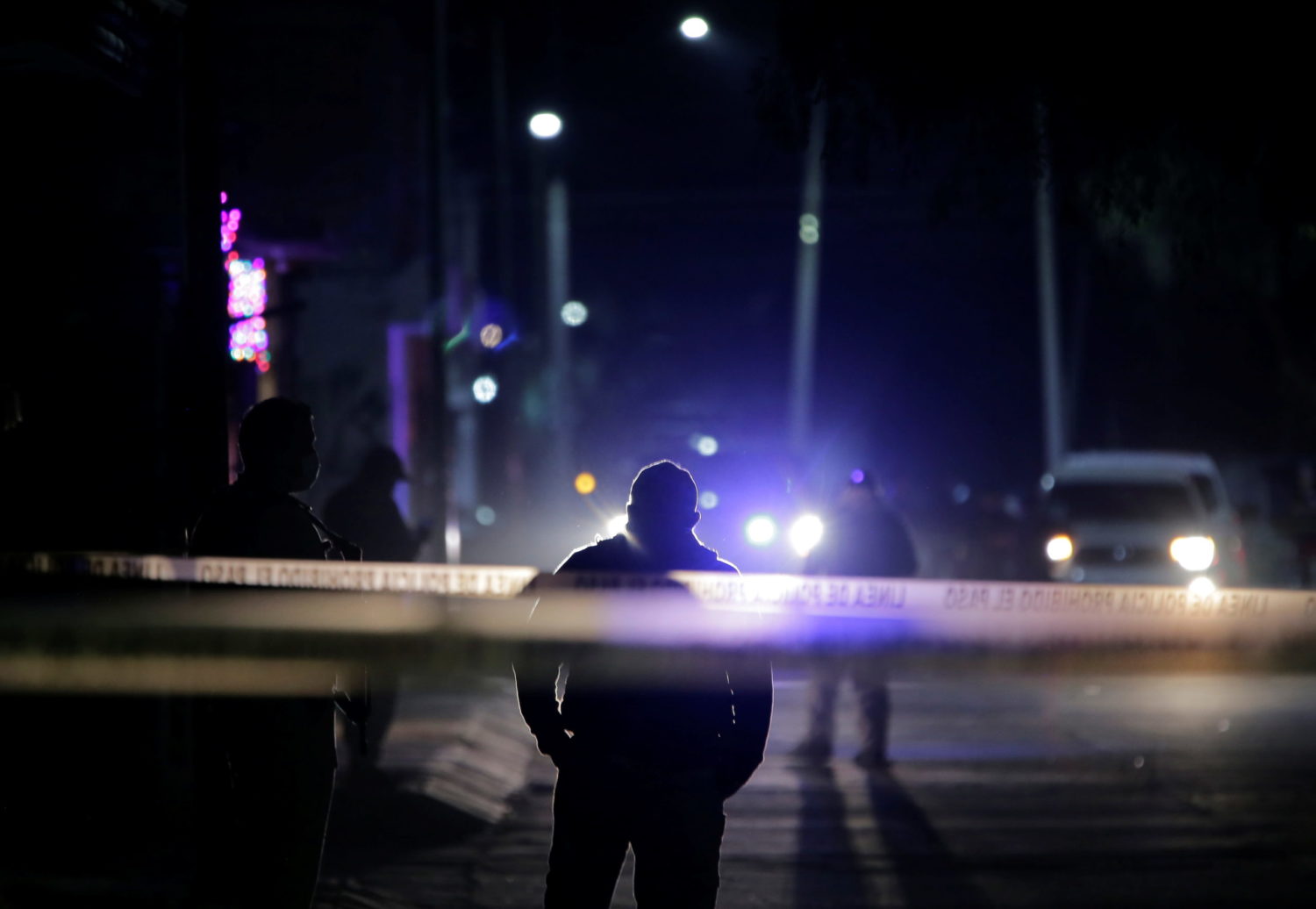
MEXICO CITY (Reuters) – Unidentified gunmen burst into a wake in the central Mexican city of Celaya late on Thursday and shot dead nine people, authorities said, one of the worst outbreaks of violence to hit the country during the past few weeks.

One person was also wounded in the attack outside a house where the wake was being held in a neighborhood in the west of Celaya, the municipal government said in a statement.

Celaya is in the state of Guanajuato, one of Mexico’s main flashpoints of gang violence in the past few years and a major hub for the automotive industry.

Heavy, rapid gunfire could be heard ringing out in video footage shot close to the attack and broadcast by Mexican media.

Mexican President Andres Manuel Lopez Obrador took office two years ago pledging to reduce record levels of violence, but homicides have continued to test new peaks.

(Writing by Dave Graham; editing by Philippa Fletcher)

Canada loses more jobs than expected in December, lockdowns darken outlook

By Julie Gordon

OTTAWA (Reuters) – Canada lost more jobs than expected in December, Statistics Canada data showed on Friday, with economists and industry groups warning protracted COVID-19 restrictions across much of the country are darkening the outlook into the first quarter.

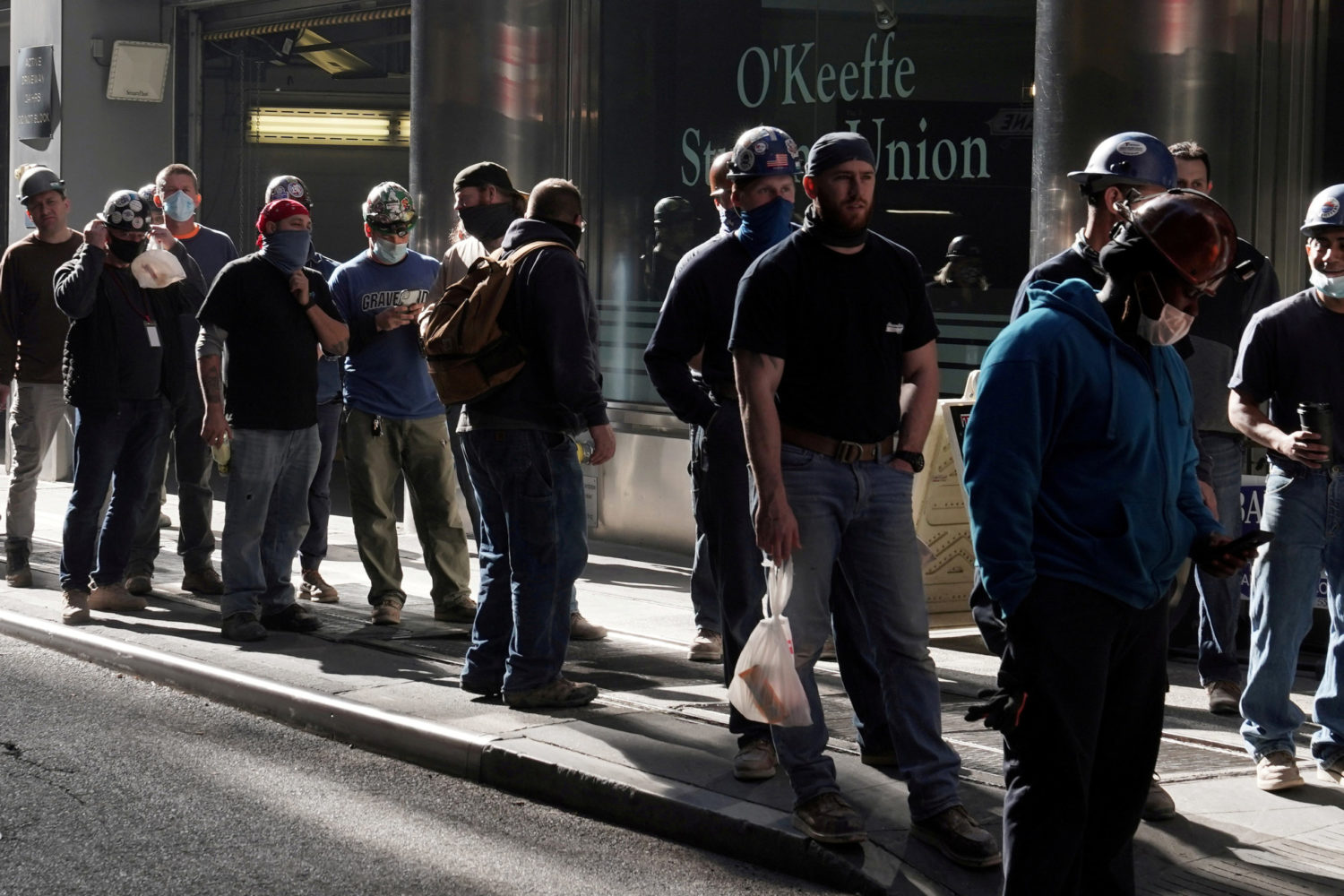
Canada lost 62,600 jobs in December, more than double analysts’ expectations of a decline of 27,500, while the unemployment rate edged up to 8.6%, in line with expectations. Employment remains 3.3% below pre-pandemic levels.

Canada’s new COVID-19 cases, meanwhile, now average 7,688 per day, forcing a number of regions across the country to impose harsher restrictions that experts say will further hit employment.

“As cases continue to reach record highs, the prospect of protracted lockdowns loom large over the first quarter,” said Leah Nord, senior director of workforce strategies at the Canadian Chamber of Commerce, in a statement.

“We believe that many of the rebound gains of the last seven months are at risk of being lost, signaling a potential return to darker times for Canada’s labor market over the coming months,” she added.

Populous Quebec imposed a curfew earlier this week and extended existing lockdowns through to February, while Ontario on Thursday said it would keep most schools closed for an additional two weeks amid a partial lockdown.

The poor outlook for employment could put pressure on the Bank of Canada to further ease monetary policy, economists said. The central bank has said it could cut record low interest rates further if the economic situation worsens.

The Canadian dollar gave back some of the week’s gain, dipping 0.2% to 1.2713 per U.S. dollar, or 78.66 U.S. cents, while Canada’s S&P/TSX composite index fell 14.84 points, or 0.08%, after notching a record high Thursday as investors bet on a global economic rebound.

The service sector, hit by fresh restrictions on retail, food services, fitness and travel, lost 74,000 jobs, while employment in the goods sector rose by 11,300.

“It’s almost textbook, the decline was almost entirely in accommodation and food services, which lost almost 57,000 jobs,” said Doug Porter, chief economist at BMO Capital Markets.

Porter added the overall decline was only a fraction of that in March and April, when broad national shutdowns led to more than 3 million job losses.

Part-time employment fell by 99,000 positions, while full-time employment fared better, up by 36,500 jobs, Statscan said. Youth employment slipped in December, with employment of 15-24 year olds remaining 10.5% below pre-pandemic levels.

(Reporting by Julie Gordon in Ottawa; Additional reporting by Steve Scherer, Fergal Smith, Moira Warburton and Nichola Saminather; Editing by Toby Chopra, Kirsten Donovan and Nick Zieminski)

Sweden tightens COVID rules, but still no lockdown

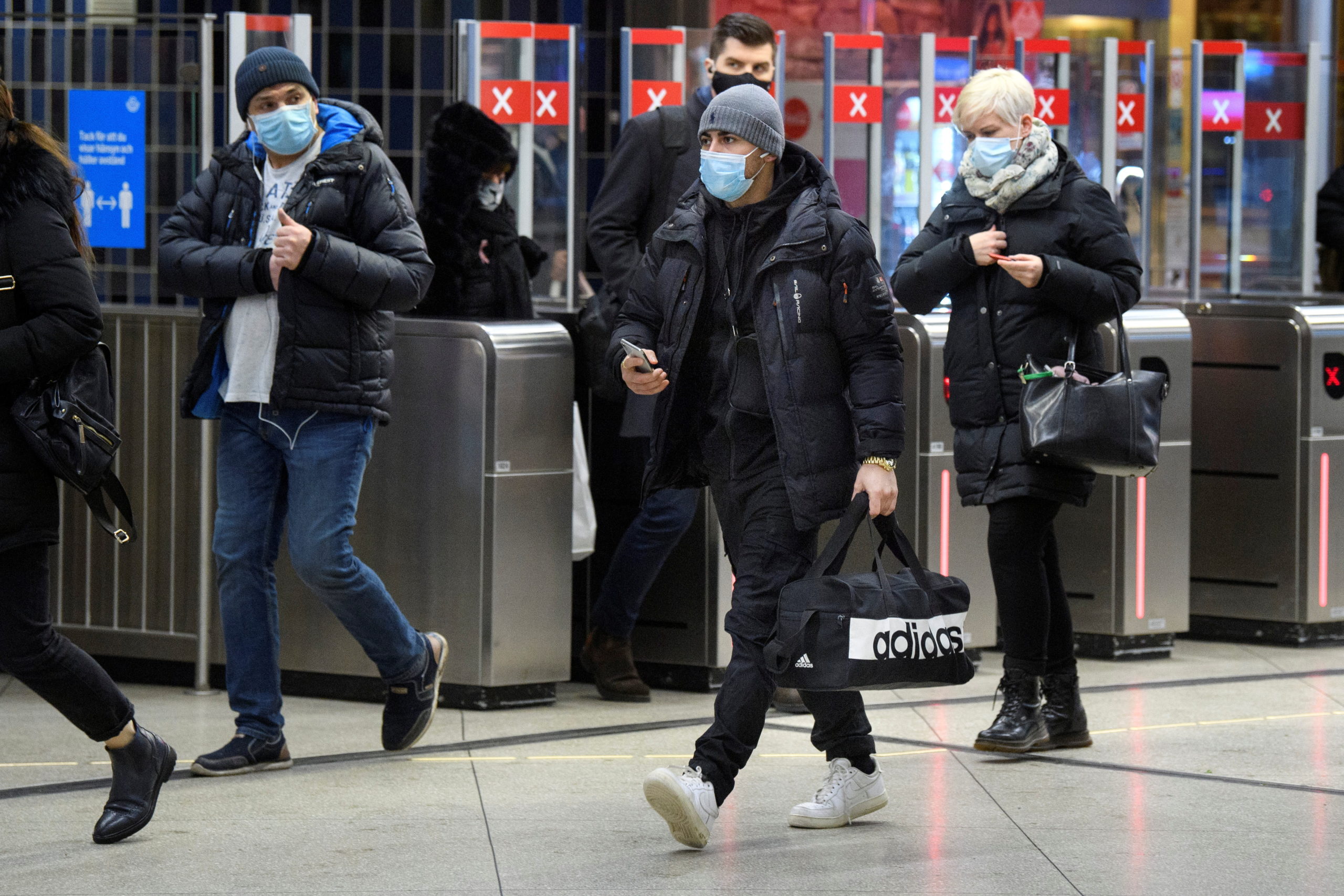
STOCKHOLM (Reuters) – Sweden tightened social distancing rules for shopping centres, gyms and private gatherings on Friday and said it was ready to close businesses if needed, but stopped short of a lockdown to fight the spread of the pandemic.

Earlier in the day, parliament voted the government wider powers to close businesses and limit the size of public and private gatherings as an addition to what have so-far been mostly voluntary measures to ensure social distancing.

“Today, the government has not decided on the closure of businesses, but the government is ready to make that kind of decision as well,” Prime Minister Stefan Lofven told a news conference.

“This is not something that we take lightly, but people’s lives and health are at stake.”

From Sunday, gyms, sports centres, shopping malls and public pools will have to set a maximum number of visitors based on their size.

In addition, private gatherings will also be limited to 8 people, a rule which until now has only affected public events.

Sweden registered 7,187 new coronavirus cases on Friday, according to statistics from the public health agency.

Deaths now total 9,433 – a rate per capita several times higher than that of its Nordic neighbours’, but lower than in many European countries that opted for lockdowns.

The high death toll – particularly among residents of care homes for the elderly – has led to heavy criticism of Lofven for not acting sooner and more decisively.

But the government has in part, been hamstrung by a lack of legal tools to impose the kind of far-reaching measures adopted by other countries in Europe.

“The Swedish corona strategy has always been a combination of tougher rules, prohibitions and, not the least, that people themselves assume great responsibility,” Lofven said.

“At the same time it has been obvious that Sweden needs legislation that better hits the mark to handle COVID-19 and limit contagion.”

Even after parliament voted for the new, temporary law, the government will not be able to impose curfews or a domestic travel ban.

(Reporting by Anna Ringstrom and Simon Johnson; editing by Niklas Pollard and Angus MacSwan)